Your network connection has been lost, so you may experience media playback
issues.

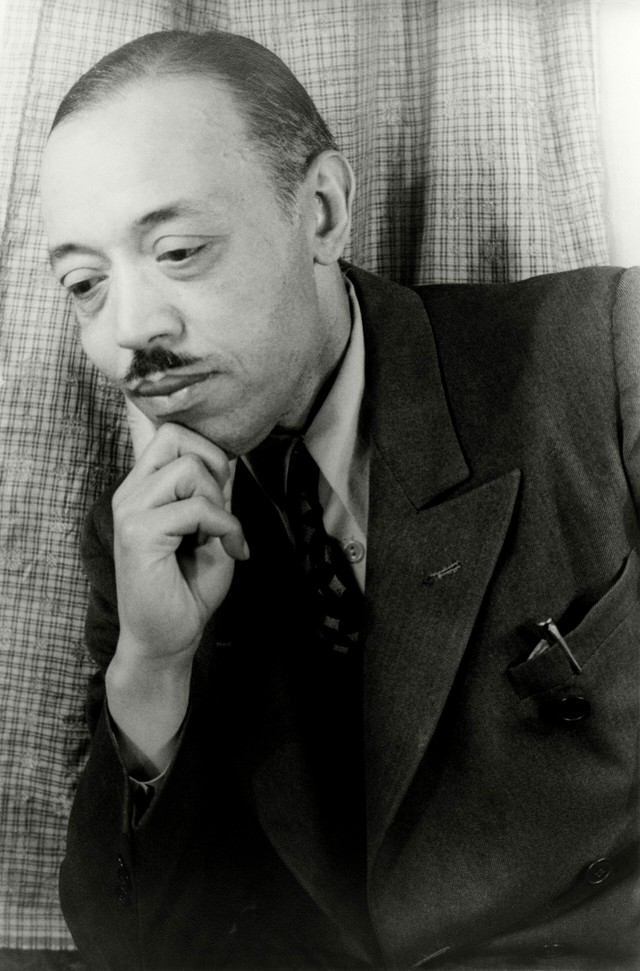
William Grant Still (1895-1978)
As we kick off Black History Month 2024 with this year’s theme, “African Americans in the Arts,” it’s our absolute pleasure to shine the spotlight on a true trailblazer: William Grant Still. Dubbed the “Dean of African-American Composers,” Still’s life was a series of groundbreaking ‘firsts’ that forever changed the landscape of American classical music.
Born in 1895, Still grew up in a time when the odds were stacked against him, yet his talent and determination knew no bounds. He broke barriers and shattered stereotypes, becoming the first African American to conduct a major American symphony orchestra, the first to have a symphony performed by a leading orchestra, and the first to have an opera performed by a major opera company.
Still’s compositions are an intricate tapestry, weaving together the rich tones of African American melodies with the sophistication of European classical styles. His legacy is not just in the groundbreaking nature of his achievements but also in the prolific body of work he left behind. Throughout his career, William Grant Still composed nearly 200 works, including nine operas, five symphonies, four ballets, and numerous other pieces spanning chamber music, art songs, and solo works. This vast repertoire reflects his versatility and deep connection to both the cultural heritage and the contemporary narratives of his time.
To really understand the man behind the music, why not explore his work? Visit the official website for William Grant Still and let his compositions take you on a journey through history and heart.
Learn more about William Grant Still



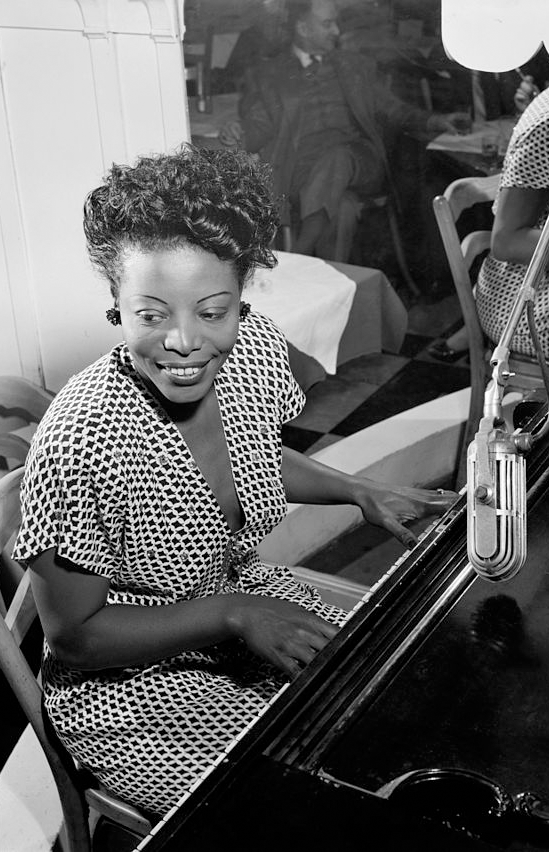
Mary Lou Williams (1910-1981)
This Black History Month, we honor Mary Lou Williams, an iconic figure in jazz whose career spanned several decades, making her one of the most influential musicians of her time. Born in 1910 in Atlanta, and raised in Pittsburgh, Williams was a pioneering woman in the jazz industry, a domain predominantly occupied by men.
From her early days as the “Little Piano Girl,” Williams demonstrated exceptional talent as a pianist, composer, and arranger. She was not only a performer but also a mentor to jazz legends such as Thelonious Monk, Charlie Parker, and Dizzy Gillespie, showcasing her profound impact on the genre’s evolution, including swing and bebop.
Williams’s achievements were remarkable for any musician, but as a woman, they were groundbreaking. She navigated and succeeded in a male-dominated industry, breaking barriers and setting a precedent for future generations of women in jazz. Her compositions, which number in the hundreds, blend intricacy and emotion, reflecting her deep understanding of jazz and its roots in African American culture.
In addition to her musical contributions, Williams’s educational efforts, particularly serving as an artist-in-residence at Duke University, underscored her commitment to nurturing new talent and preserving jazz as a dynamic and evolving art form.
Visit the Mary Lou Williams Foundation and the Mary Lou Williams Center for Black Culture at Duke University to explore Mary Lou Williams’s life, enduring legacy, and contributions to jazz and American culture.
Learn more about Mary Lou Williams


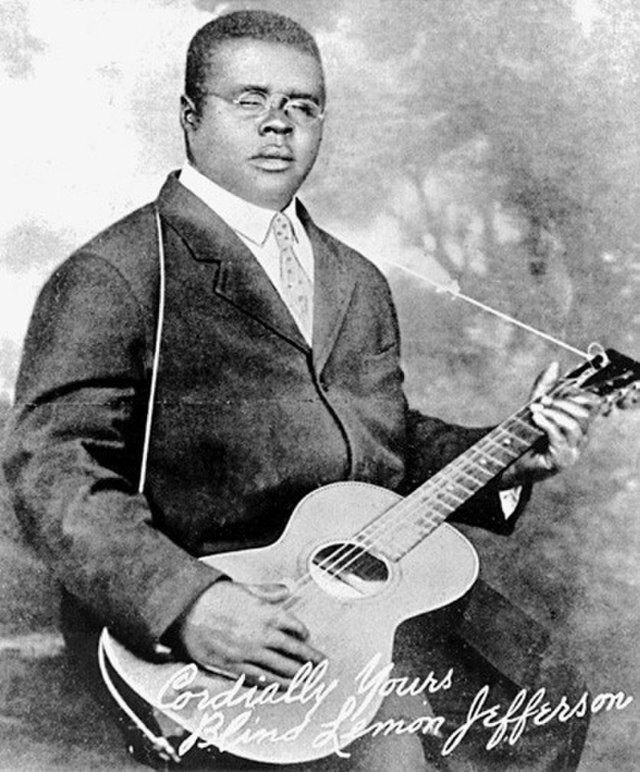
Blind Lemon Jefferson (1893-1929)
Celebrating Black History Month, we shine a light on the legendary Lemon Henry “Blind Lemon” Jefferson, a foundational figure in the blues genre. Born in Couchman, Texas, in 1893, Jefferson transformed personal hardship and the experiences of African Americans in the early 20th century into profound musical expressions.
Blind since childhood, Jefferson’s remarkable journey from the cotton fields of Texas to becoming one of the most celebrated blues musicians of his time is a testament to his indomitable sprit and unparalleled talent. His unique guitar style, characterized by intricate fingerpicking and expressive, soul-stirring vocals, set the standard for the blues and inspired generations of musicians.
Jefferson’s prolific recording career in the 1920s laid down the blueprint for the blues genre, with songs like “Matchbox Blues” and “See That My Grave Is Kept Clean” becoming enduring classics. His music not only captivated listeners but also chronicled the African American experience, from the joys and sorrows of love to the harsh realities of life in the segregated South. Despite his untimely death in 1929, Jefferson‘s legacy lives on.
To dive deeper into the life and music of Blind Lemon Jefferson, visit the Texas State Historical Association profile on him here. Enthusiasts and collectors can own a piece of music history by acquiring his complete collection of 94 recordings, a treasure trove that showcases the full breadth of Jefferson‘s genius.
Learn more about Blind Lemon Jefferson



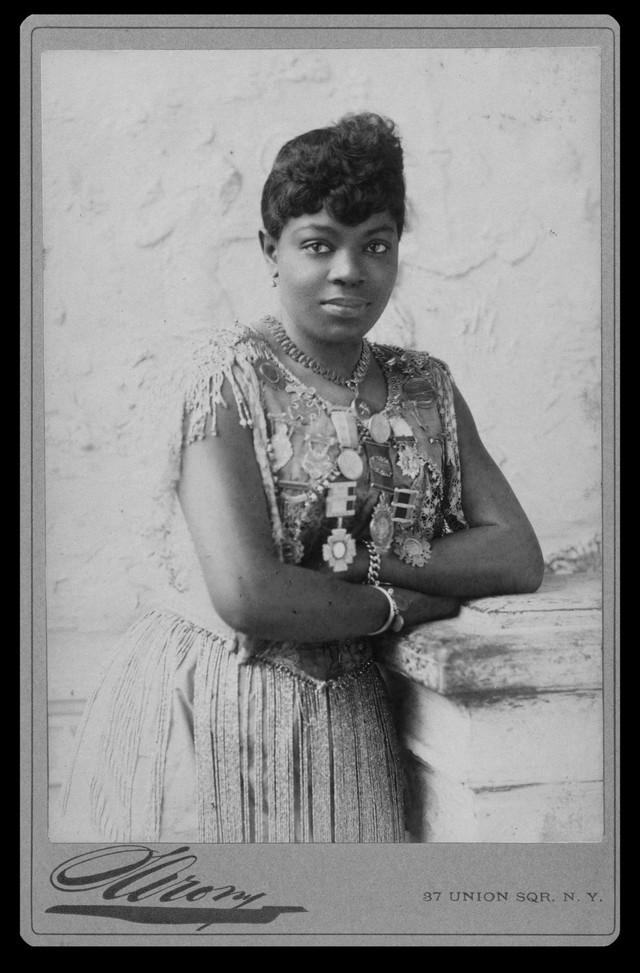
Sissieretta Jones (1868-1933)
Continuing our Black History Month spotlight series, discover the remarkable legacy of Sissieretta Jones, a soprano who broke through the barriers of race and gender to grace stages like Carnegie Hall. Born in 1868, Madame Jones (as she preferred to be called) enchanted audiences across the globe, including performing for four consecutive presidents—Harrison, Cleveland, McKinley, and Theodore Roosevelt—and the British royal family.
Despite her profound impact, no recordings of Jones’ voice exist today, a poignant reminder of not only the technological limitations of her time but also the challenges she faced as a Black woman in preserving her legacy. Her extraordinary vocal prowess is immortalized solely through written reviews, offering a glimpse into the magnitude of her talent.
Madame Jones’ story is not just one of musical triumph but also of enduring legacy, serving as an indelible inspiration to future generations of Black opera singers. Her journey from the daughter of a former slave to a world-renowned performer showcases her extraordinary resilience and talent.
Learn more about Sissieretta Jones’ life in the ‘Overlooked’ series from The New York Times, and watch her remarkable narrative by Unladylike2020.com below, where her story is highlighted in an animated documentary series celebrating unsung heroines who reshaped America.
Learn more about Sissieretta Jones

