Your network connection has been lost, so you may experience media playback
issues.

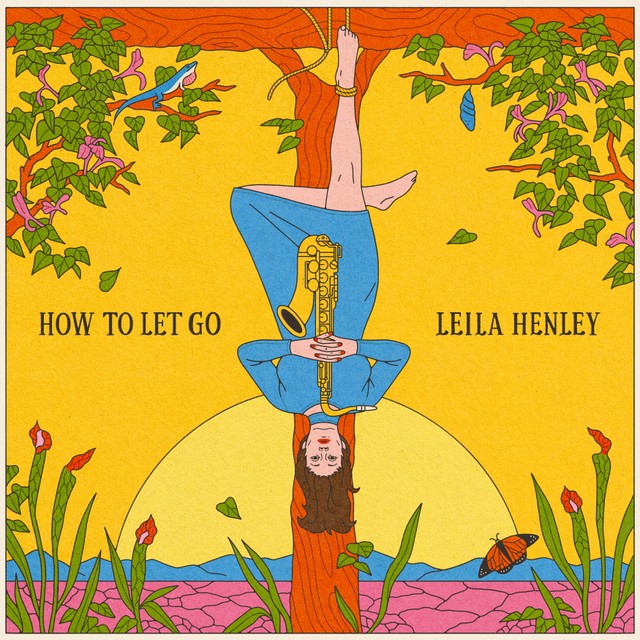
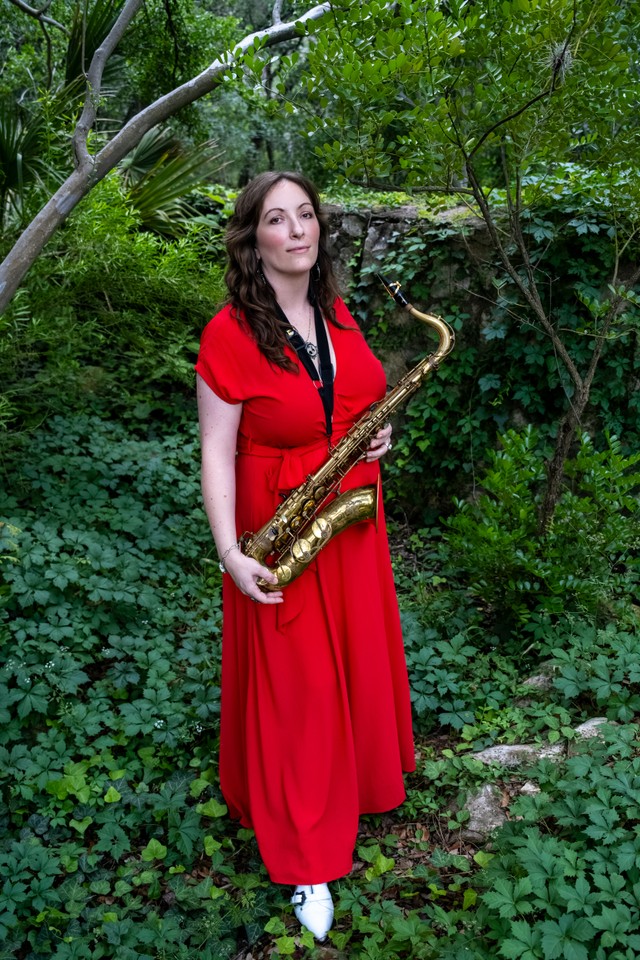
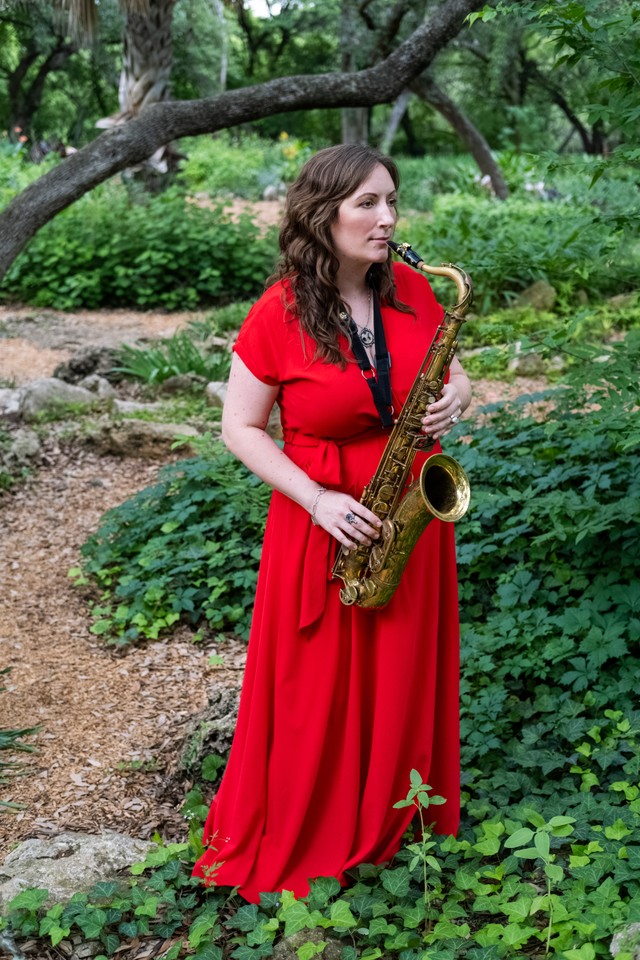
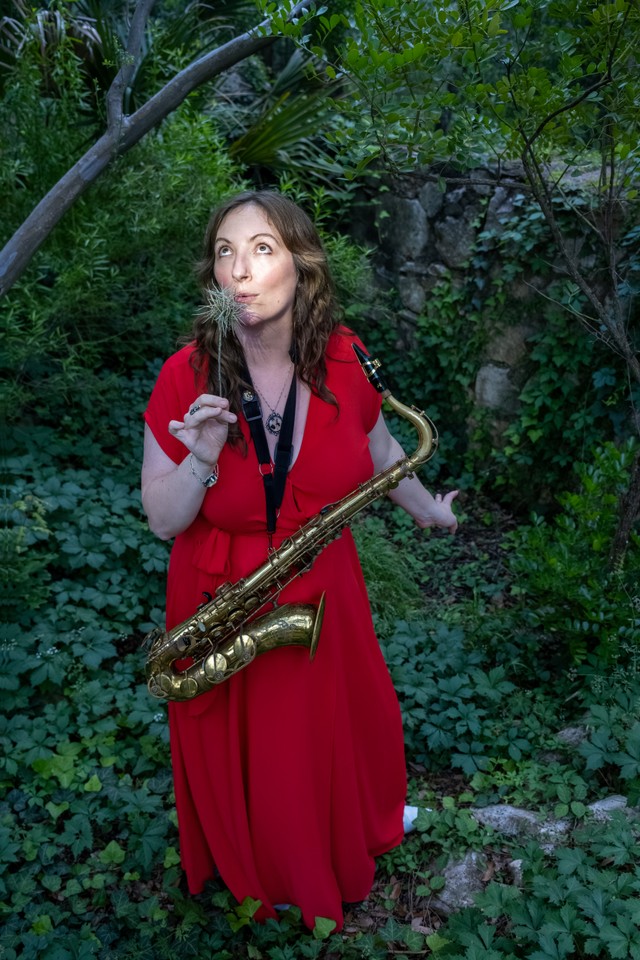
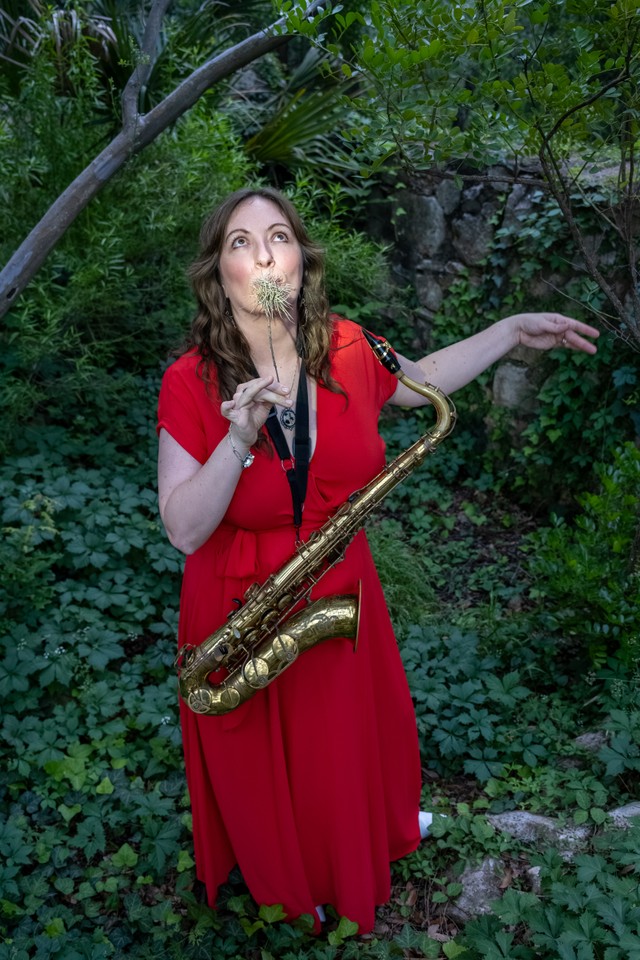
Leila Henley is a genre-defying vocalist and multi-woodwind instrumentalist whose work spans from pop to prog to dreamy experimental soundscapes. A lifelong lover of harmony, she is driven by a deep need for connection through sound. Arriving August 6th, Henley's first solo album, How to Let Go, is an expression of that connection with her musical community in Austin, Texas, but also introduces a more independent chapter in her story. Written over the course of 8 pivotal years in Henley's life, How to Let Go was inspired by love, loss, and personal transformation. The music combines all her varied influences with emotional range, catchy hooks, and a mega-dose of horns to create a singular sound that lingers long beyond the last note.
How to Let Go
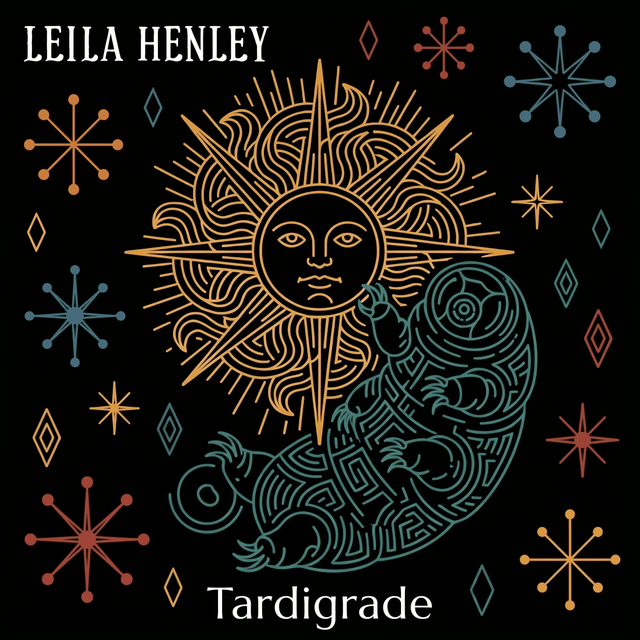
Tardigrade
3:20
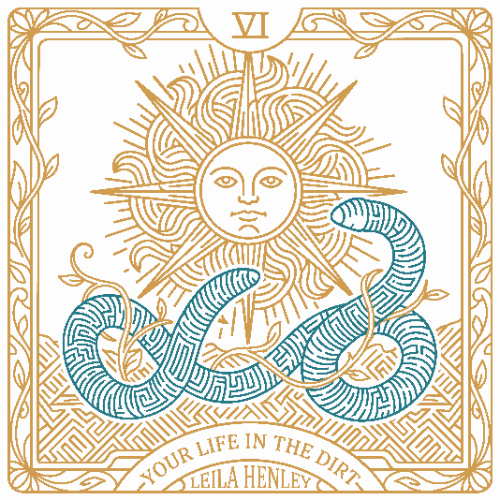
Your Life in the Dirt
4:08
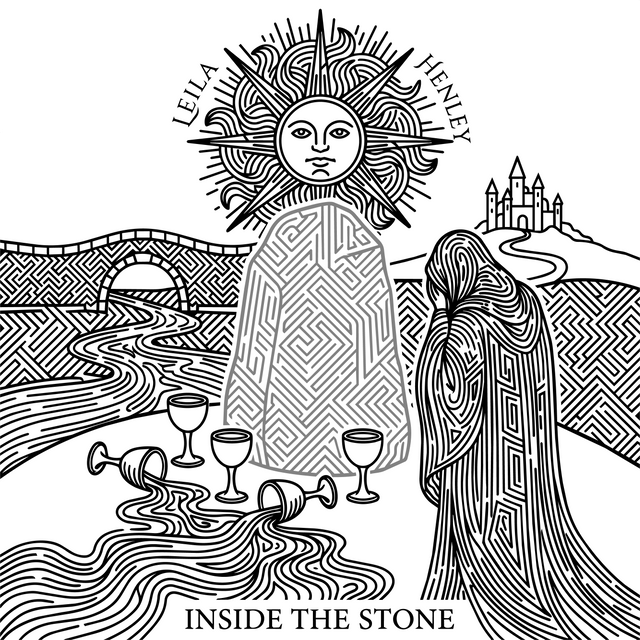
Inside the Stone
4:56

Biography
As the youngest child in a family of music lovers, Leila Henley was exposed early on to a wide range of influences. One of her brothers, a keyboard player 12 years her senior, was already a gigging musician in her childhood. He introduced her to Frank Zappa and New Orleans jazz and funk, inspiring her with his singular dedication to music while delighting her with toys wrested from the grasp of the claw machine at the local bar he frequently played. Her elder sister added a dash of New Wave, blasting The Cure and Duran Duran as well as off-beat groups like They Might Be Giants from her bedroom. She also played French horn and encouraged Leila to pick up a wind instrument. Leila's father loved Mississippi Delta blues, Afro-cuban music, and everything in between, with favorites ranging from Little Richard to Little Feat. And between parenting and running her own screenprinting business, her mother was a 60s folk-inspired singer-songwriter, fronting her own bands throughout Henley's childhood. Riding in a car with her sister and mother harmonizing to every song on the radio, little Leila couldn't help but sing along.
After attending Loyola University in New Orleans, Henley migrated to Austin in 2005, escaping the rising flood waters of Hurricane Katrina. Not realizing she would never return, she hastily packed her old Volvo with her instruments and a few days of clothes, leaving the rest behind. These saxophones and flutes would become the cuttings that allowed Leila to take root in the fertile soil of Austin's music scene.
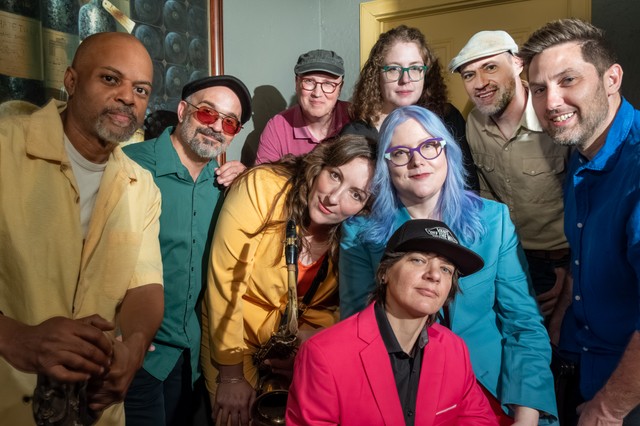
In the 20 years since then, Henley has played and toured with many Austin bands, including Stop Motion Orchestra, soundcult, Invincible Czars, Kathy McCarty, Churchwood, Scott Strickland Band, Super Creeps, POON and FontanellesTX, performing 53 shows in 2025 alone. Her recording career has included 30+ albums. She also appears on the soundtracks for the movies The Bikeriders (2023) and El Ultimo Azul (The Blue Trail, 2025), and regularly performs in ensembles accompanying dance and theater productions.
On her debut solo album, How to Let Go, Leila steps forward from the chorus to tell her own stories. A journey that began in the howling despair of a flooded home and continued through rebuilding, marriage, divorce, new love, and motherhood has brought Henley into profound connection with family, community, and herself. Supported by a remarkably talented group of musicians and friends, she harmonizes to her own voice, with the sounds of her flutes and saxophones weaving the tapestry of half a lifetime behind her.
Henley's songwriting on How to Let Go explores themes of resilience, transformation and discovery. Gazing at the small and ordinary nature around us, Leila reflects upon loss, grief and anger without being consumed by them.
"Tardigrade" explores the metaphor of the hearty water bear, a nearly mythic real-world animal who can survive flood waters, freezing, boiling, radiation and even the vacuum of space. The track leans into a kinetic undercurrent buoyed throughout by rhythmic, wordless vocals, and showcases an inventive arrangement wherein five different saxophone tracks provide the chords for the entire composition.
"Your Life in the Dirt" answers the question "would you still love me if I was a worm" with complete sincerity, transforming a whimsical topic into a serious examination of love, desire, and partnership and showcasing Henley's ability to merge vulnerability with bold melodic choices. This track was inspired by a particularly vivid musical dream and a late-blooming obsession with XTC.
"Inside the Stone" combines a power pop moment a la Ben Folds Five with deep introspection, shaped by Leila's experience with depression and self-isolation. Like the album's final, ambient track, "Congratulations," Inside the Stone was inspired by a late friend and offers the listener a plea to 'Share your pain and make it known / and don't get lost inside the stone.'
Henley's songwriting is inspired by Aimee Mann, Ben Folds Five, Neko Case, Ween, XTC and other "alternative" artists, and showcases a genre-hopping dexterity in keeping with her prior work with other groups. How to Let Go is poppy yet experimental, full of hooks both melodic and emotional, and while technically part of the genre, ventures well outside of traditional "singer-songwriter" territory.
Like the lowly earthworm rising from the soil or the tardigrade transcending its circumstances, Henley emerges from her own artistic underground to claim a maturity of sound ripened by years of growth.